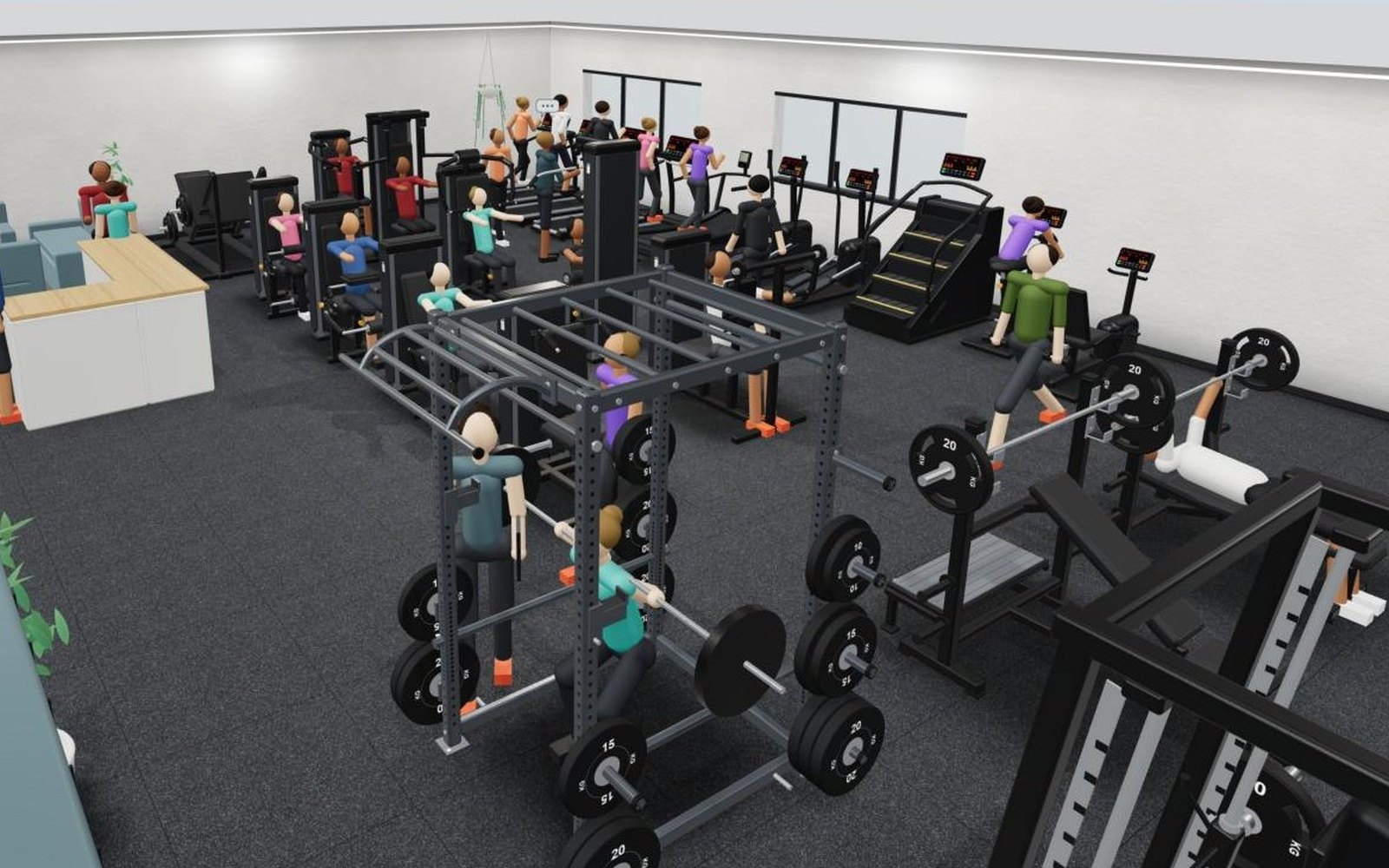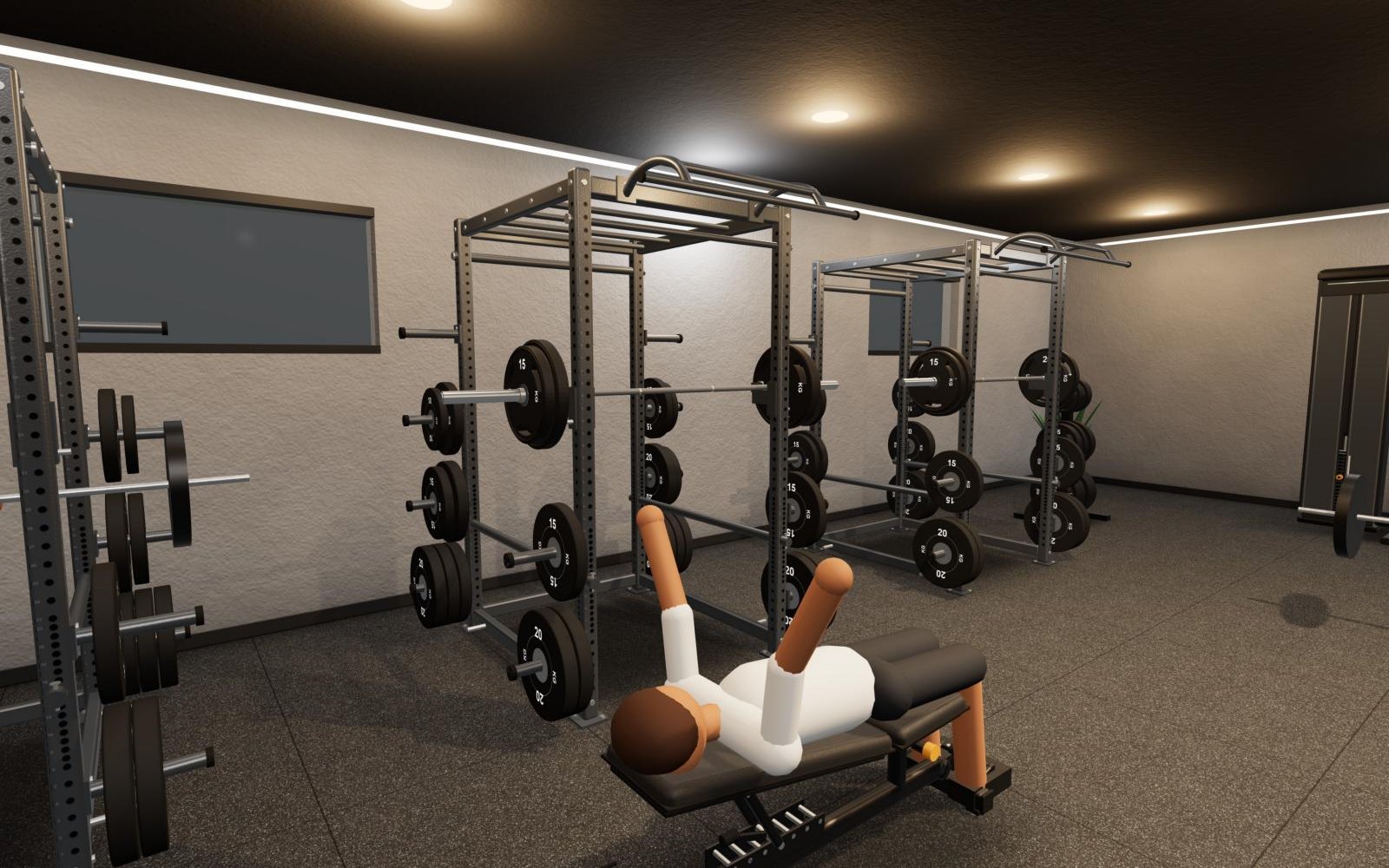
Catalogues make everything look essential. The right equipment list starts somewhere else: with the people who will train in your space.
1. Who are your members?
Young athletes, busy professionals, seniors, women only, families? Each group needs a different mix. A residents' gym with many older users needs more cardio and selected machines. A strength studio needs racks, platforms and plates.
2. What will happen in a typical hour?
List the classes or training styles and how many people do each at peak. That tells you how many bikes, racks or reformers you need.
3. Prefer versatile equipment
- Adjustable benches over fixed ones.
- A cable station before several single purpose machines.
- Racks with attachments over separate stations.
4. Check it fits before you buy
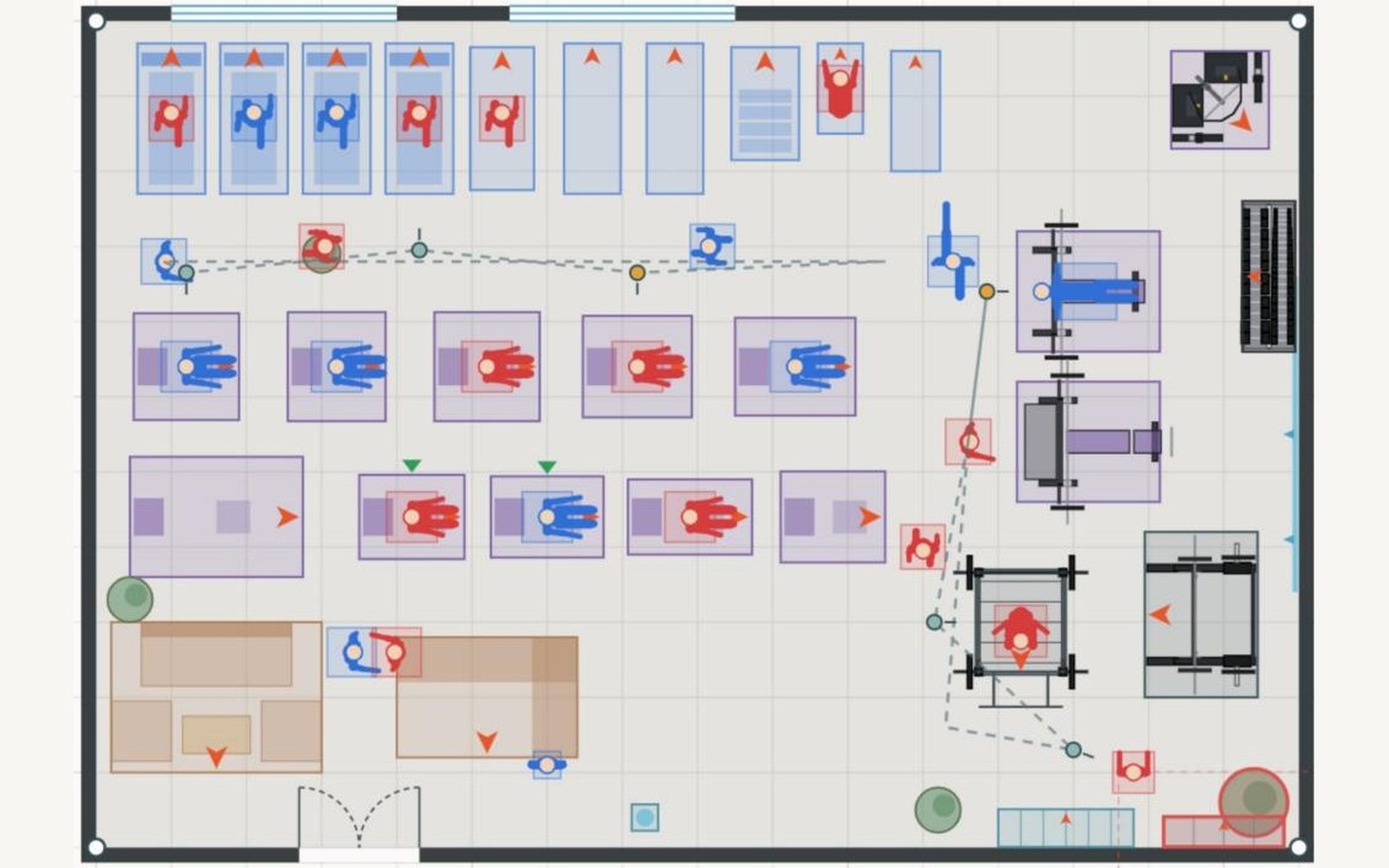
Place every item on a plan with its working space. Check doors, stairs and lifts for delivery. Check power points for cardio machines.
5. Commercial grade where it matters
Home grade equipment wears out quickly under daily use. Spend more on items that take the most load (cardio, racks, cables) and save on accessories you can replace.
6. Think return on investment
Every item should earn its floor space. Two examples from real studios:
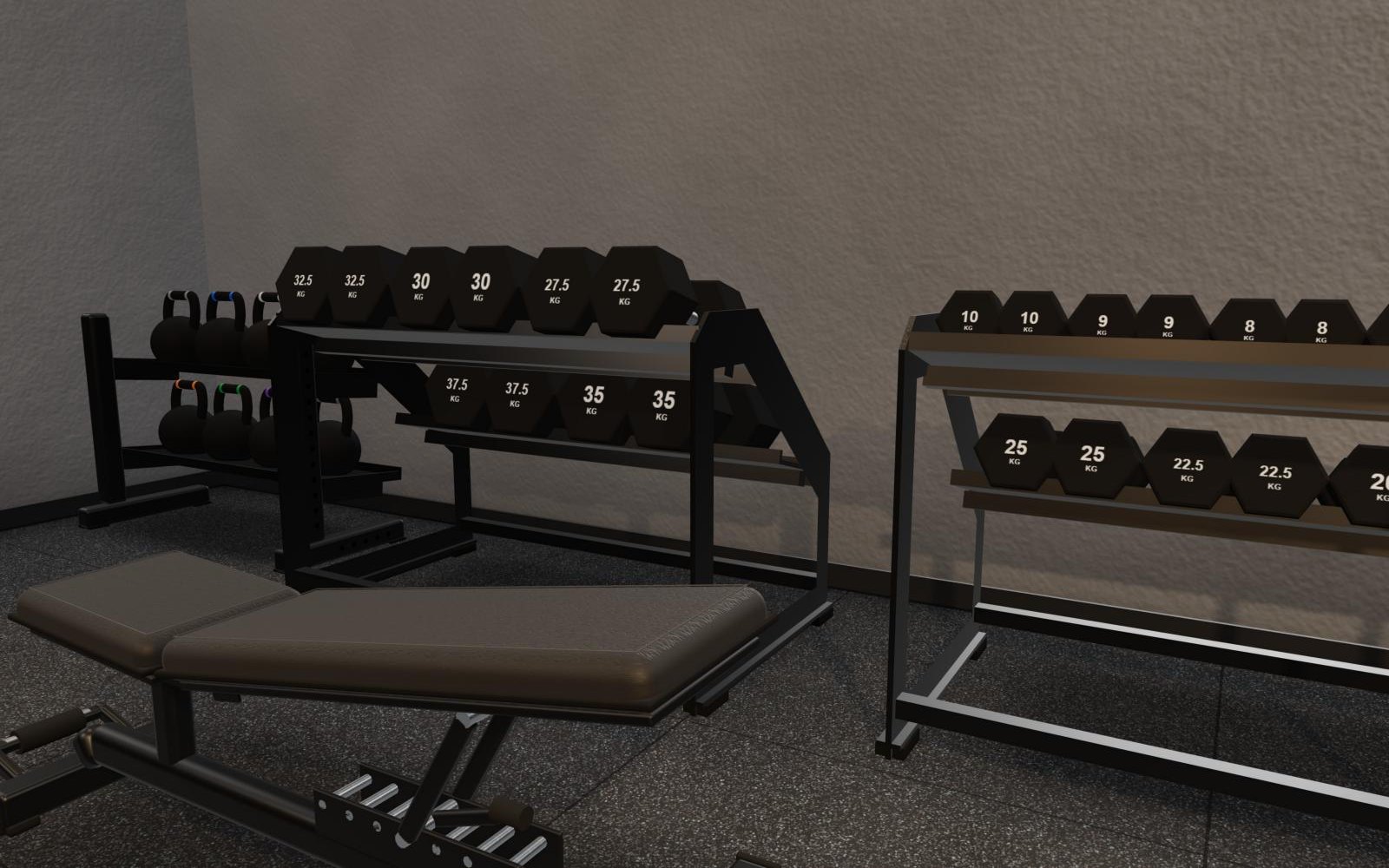
- Dumbbells: a set up to 30 kg covers most members. Heavier pairs are expensive, take rack space and are used by very few people. Add them only when your members actually ask for them.
- Treadmills in a functional studio: an electric treadmill is costly, needs power and service and serves one person at a time. In a group class a rower, an air bike or a manual curved treadmill usually works harder for less money.
7. Plan storage and maintenance
Every item needs a home and a service plan. Budget for maintenance from the start.