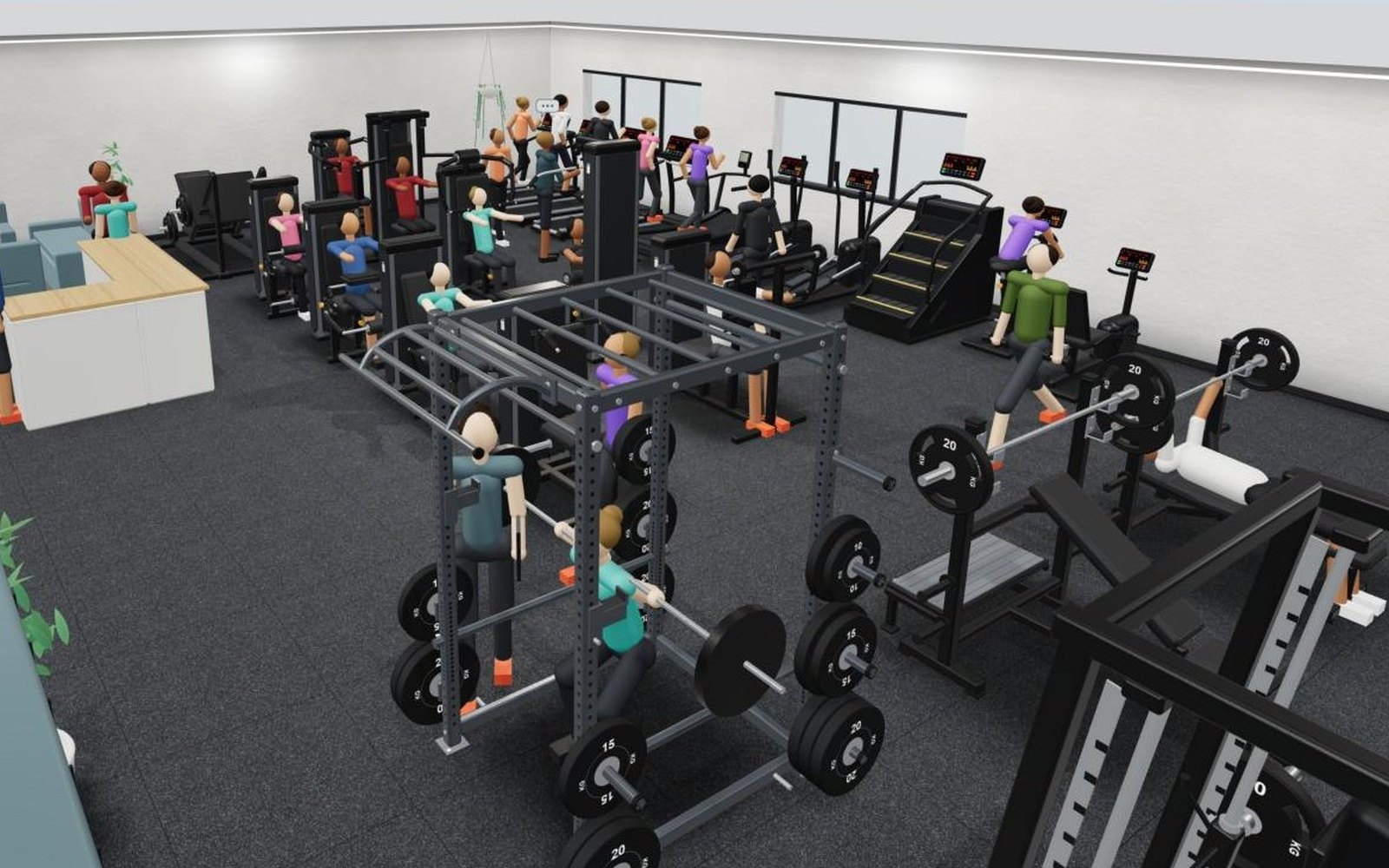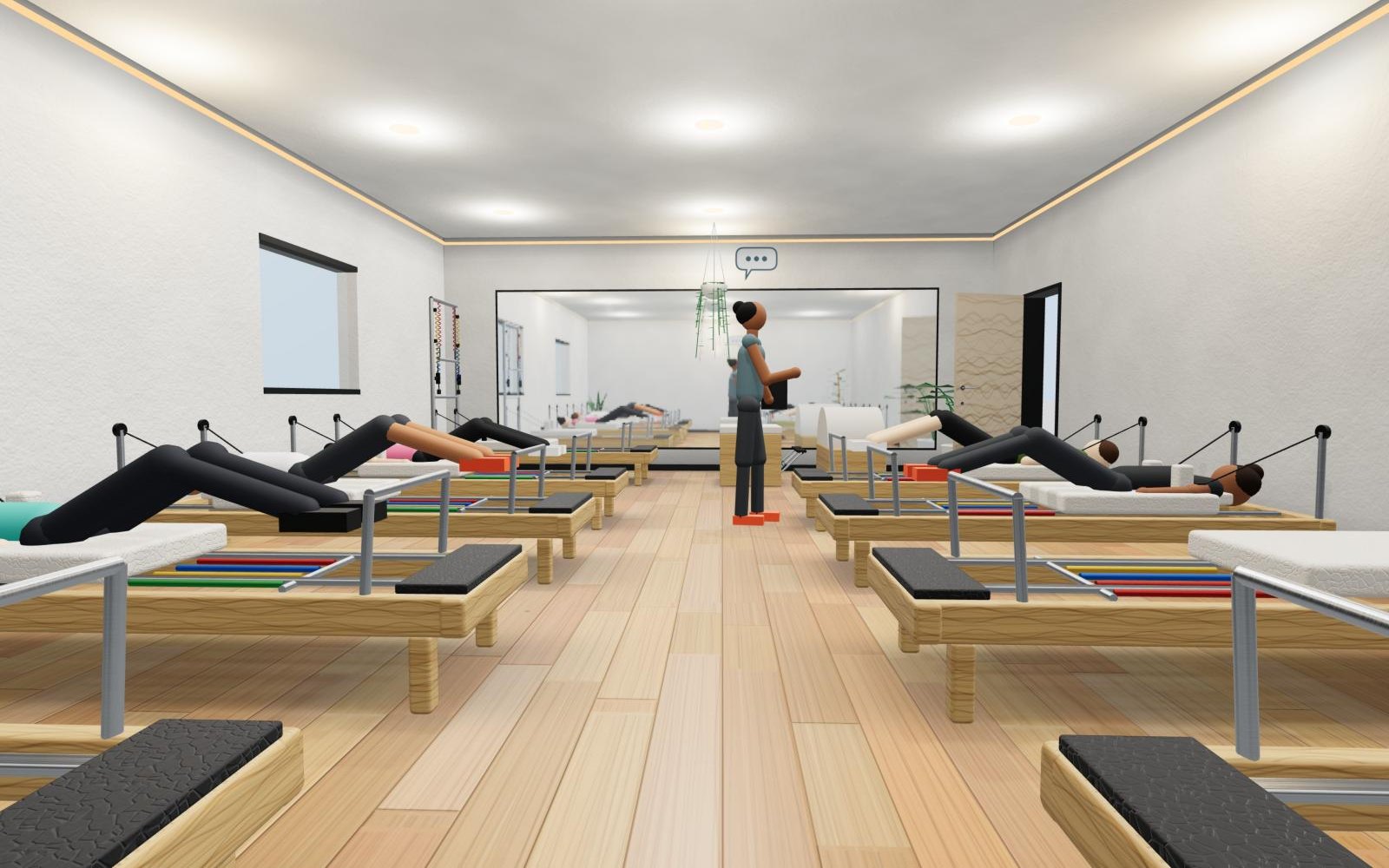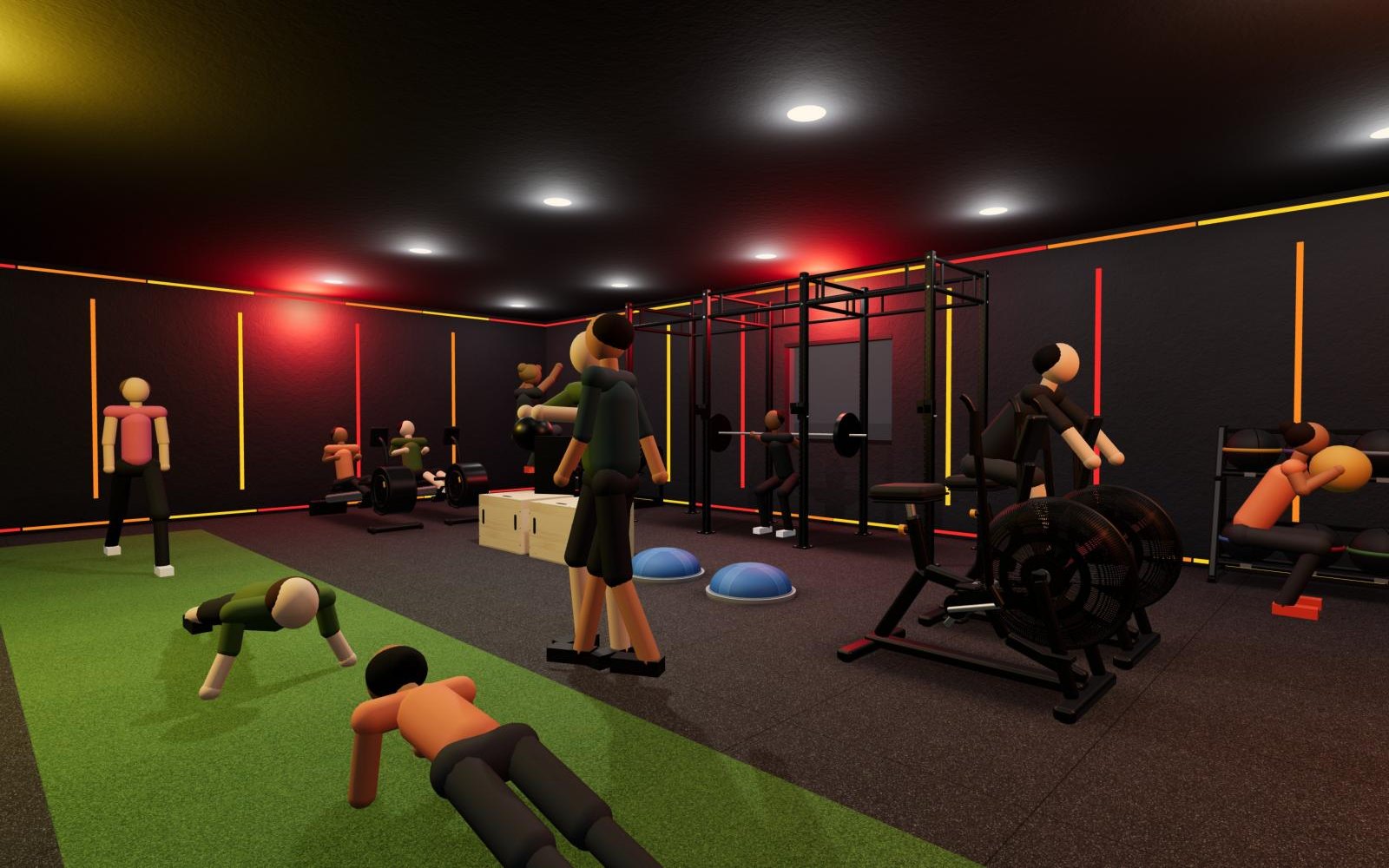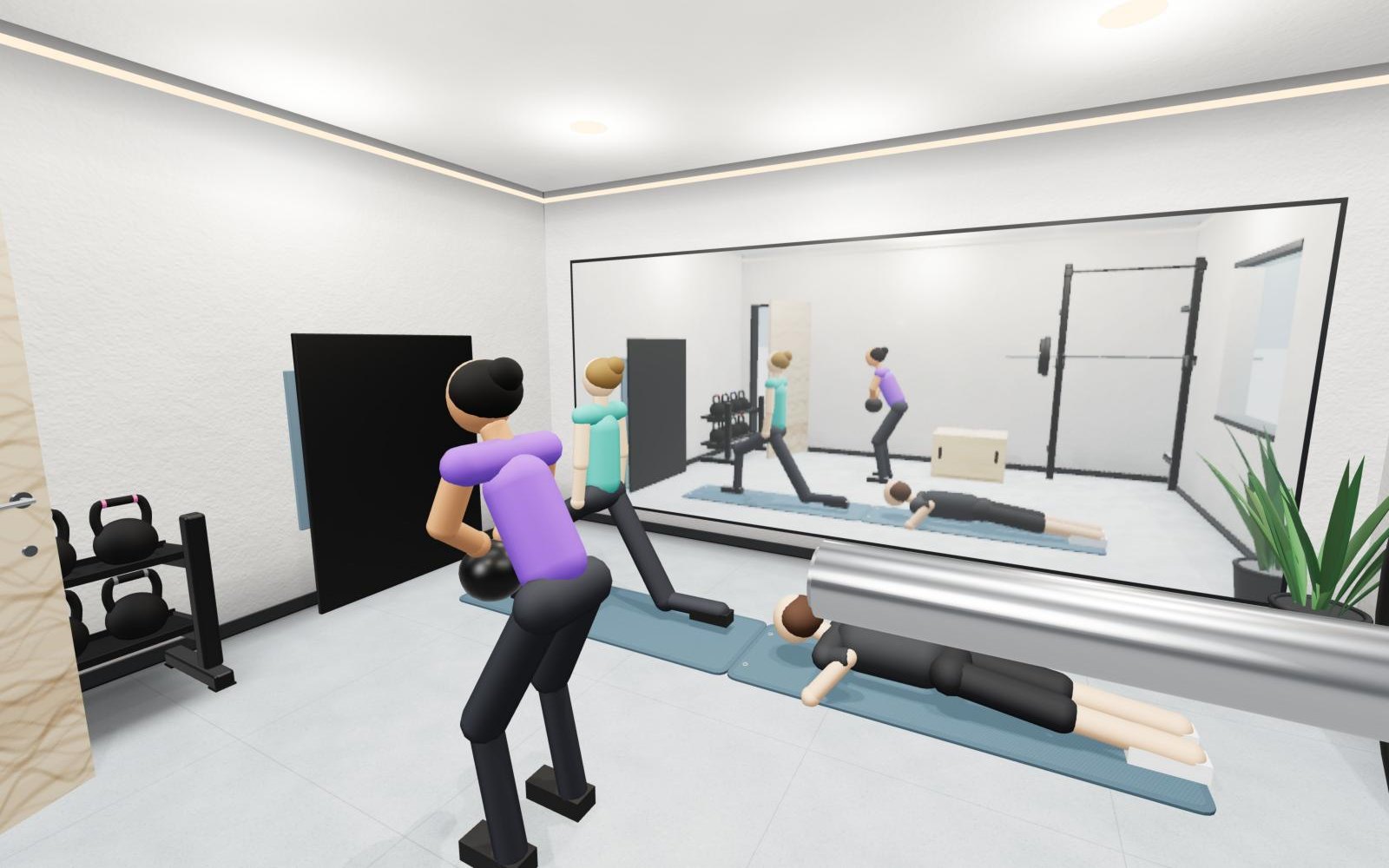
Small studios can be very profitable: lower rent, a personal feel and full classes. The trick is to use every metre.
1. Keep the centre open
Put equipment and storage along the walls and leave the middle free. An open centre makes the room feel bigger and lets you change the class format.
2. Choose equipment that moves or folds
- Folding racks and wall mounted rigs.
- Stackable benches and boxes.
- Equipment on wheels.
3. Storage is the secret
A full wall of shelves and hooks keeps the floor clear. When everything has a place, the studio looks bigger and more professional.
4. Use mirrors and light
A mirror wall visually doubles the space. Light walls, good lighting and a simple colour palette help too.
5. Plan class size honestly
Use realistic space per person for your class type. A class that is too crowded will cost you clients.
6. Small does not mean simple
Check ventilation, acoustics and power just like in a big gym. In a small room, heat and noise build up faster.
What fits in a small studio?
A room of 40 m² (431 sq ft) can hold a small group class of about 8 to 10 mats, 6 reformers or 16 bikes, depending on the shape. A room of 80 to 100 m² (861 to 1076 sq ft) can hold a full class plus a small reception and storage. Draw your actual room to be sure: columns and doors decide more than the total area.