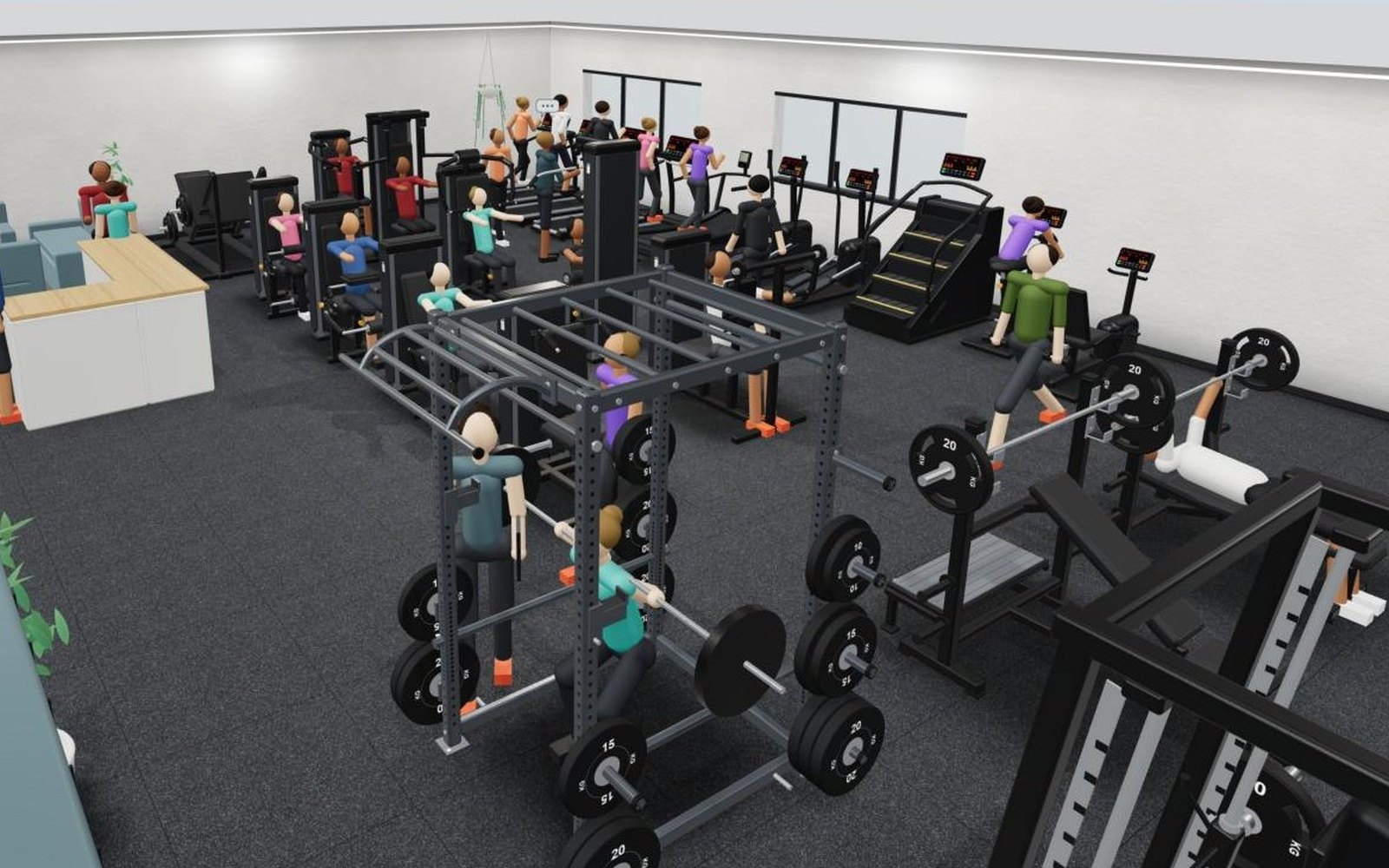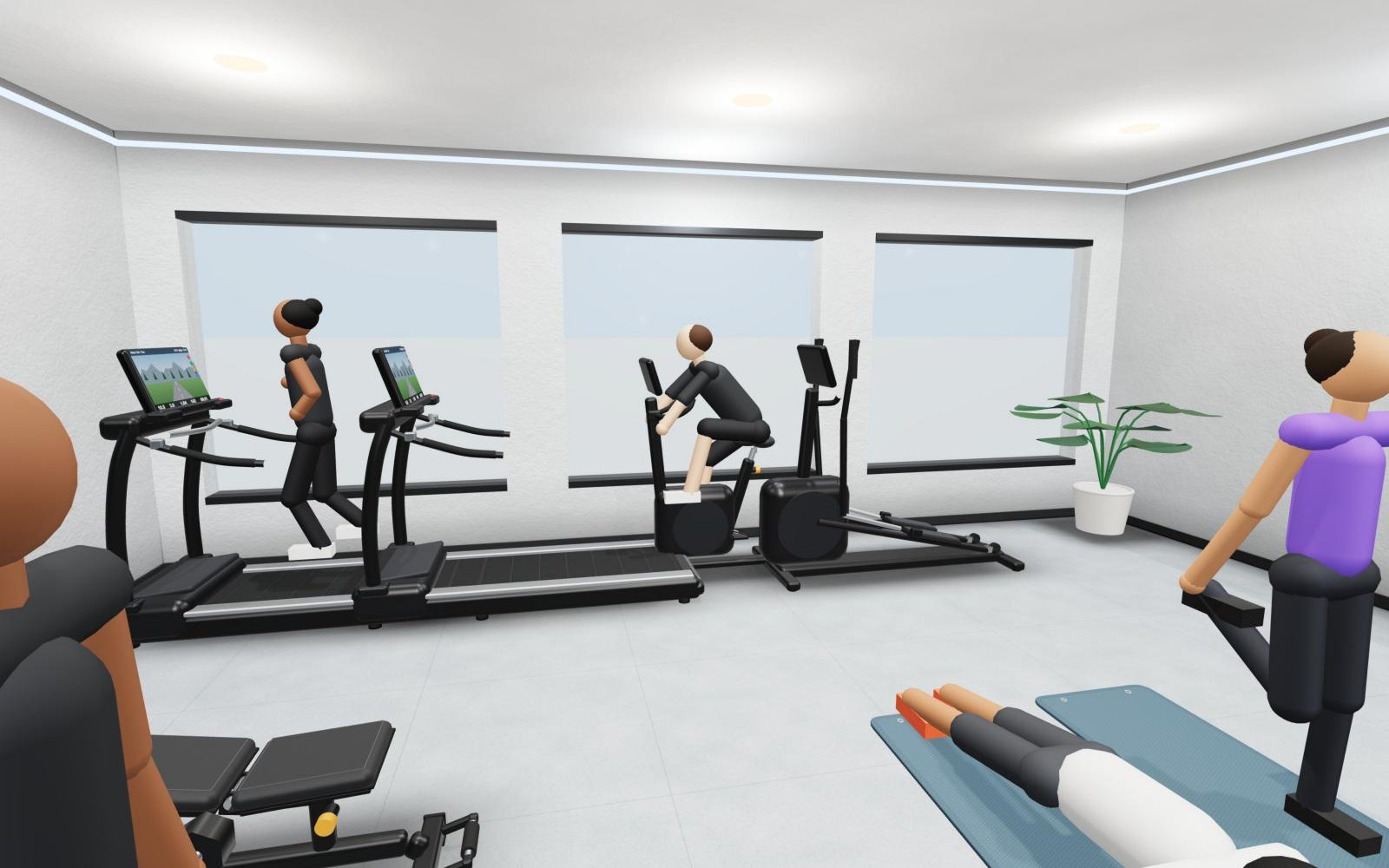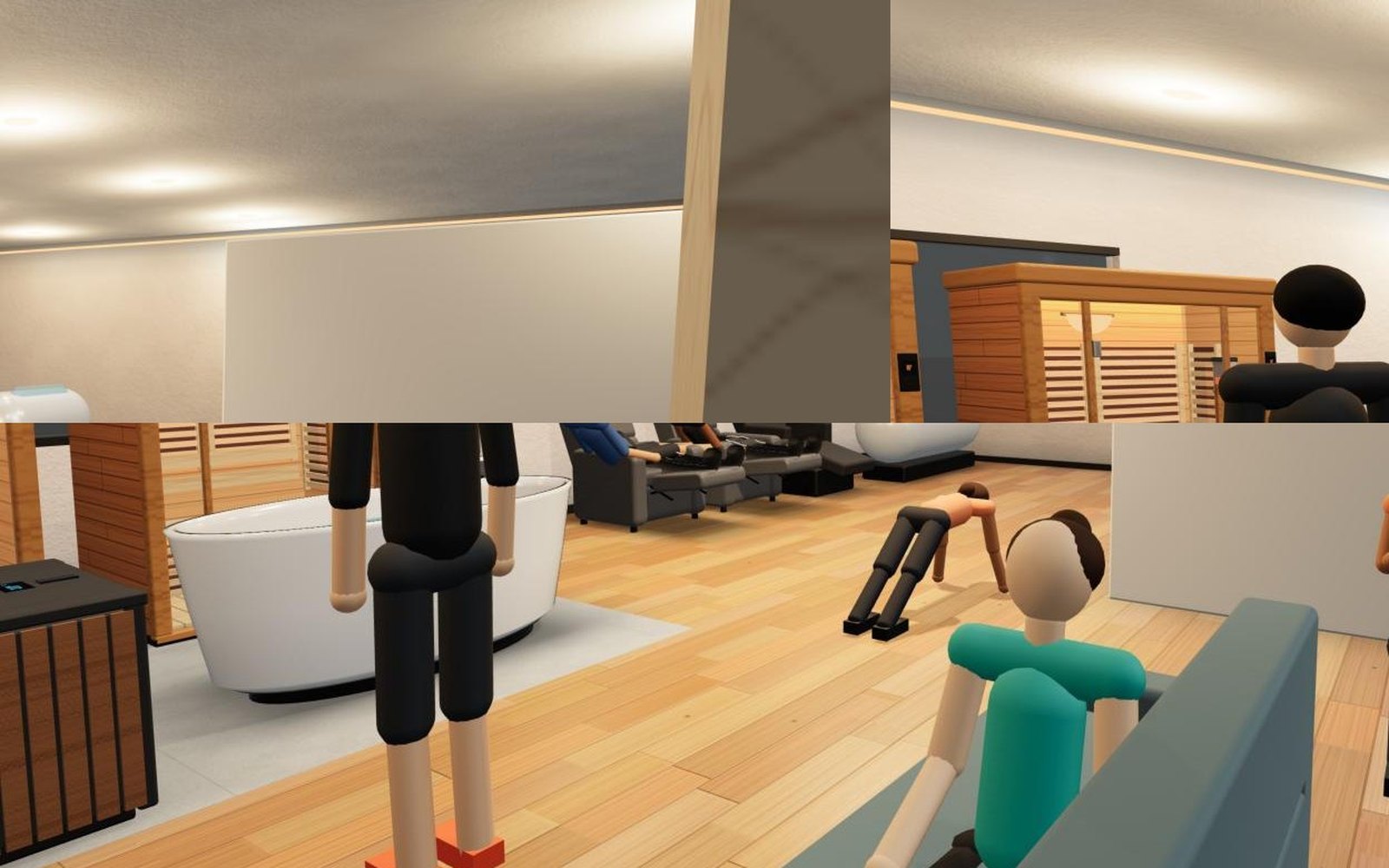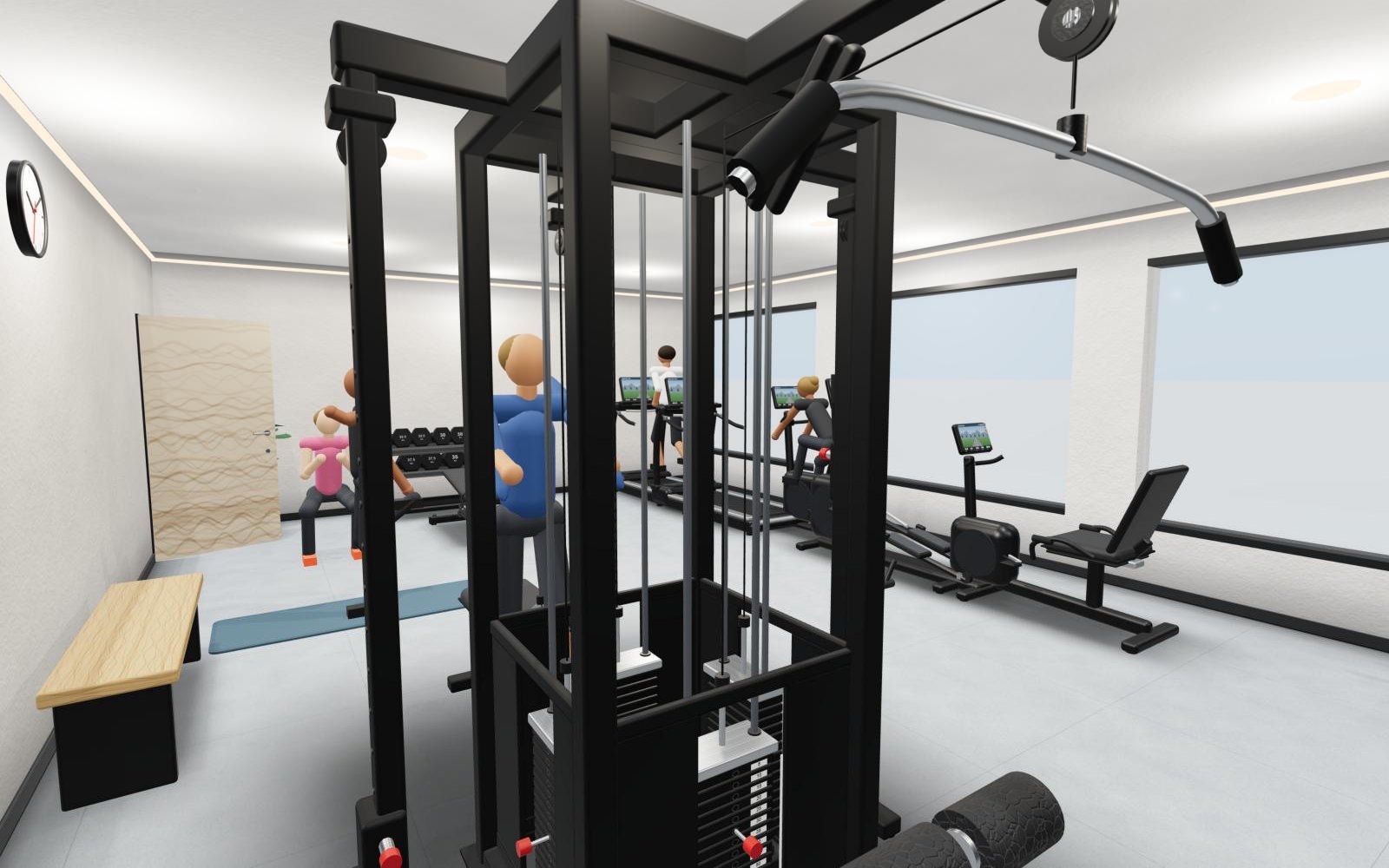
A gym inside a residential building has become one of the most requested amenities. It raises property value, improves residents' quality of life and is available 24/7, a few steps from home. It is also one of the trickiest projects a building can take on.
Who decides and who pays
- Developer budget: common in new towers, where a base amount is set aside for the gym.
- Residents' budget: raised through the building association or a one-time fee.
With many owners there is no single decision maker, and every addition may need a vote. Clear plans from the start save months of discussion.
The temptation of cheap equipment
Tight budgets push toward the cheapest equipment. A year or two later the result is often the same: broken machines, expensive repairs, complaints and a request for more money. It is usually better to raise a little more at the start and buy durable, commercial-grade equipment with a real warranty.
Plan for the residents, not for athletes
Residents range from young adults to parents to seniors. That usually means:
- More cardio: treadmills, bikes and ellipticals.
- Moderate strength: fewer heavy free weights (many buildings cap dumbbells around 25 kg), more machines, more focus on safety and insurance.
Access control and cameras
Most buildings install a code door or a key card, plus cameras. Reasons include insurance, documenting incidents, preventing damage, keeping out guests and transparency for the building management.
Avoid planning mistakes
In a residential building it is hard to go back and ask for more money. Typical surprises:
- Equipment that cannot get through the stairs or door, or needs a crane.
- Missing power outlets.
- Floors that need reinforcement or better acoustic protection.
- Equipment that does not suit the space or the users.
Go ahead only with a full specification, a final equipment list, total costs, an infrastructure plan, a safety plan and an annual maintenance budget.
Maintenance from day one
Do not wait for the first breakdown. Plan periodic servicing, cable and pad replacement, cleaning of cardio machines and clear warranty terms, and budget for it in advance.
Summary
A residents' gym is less an equipment project and more a people project: agreement, budget, varied users and patience. A clear plan, shared early, makes every step easier.