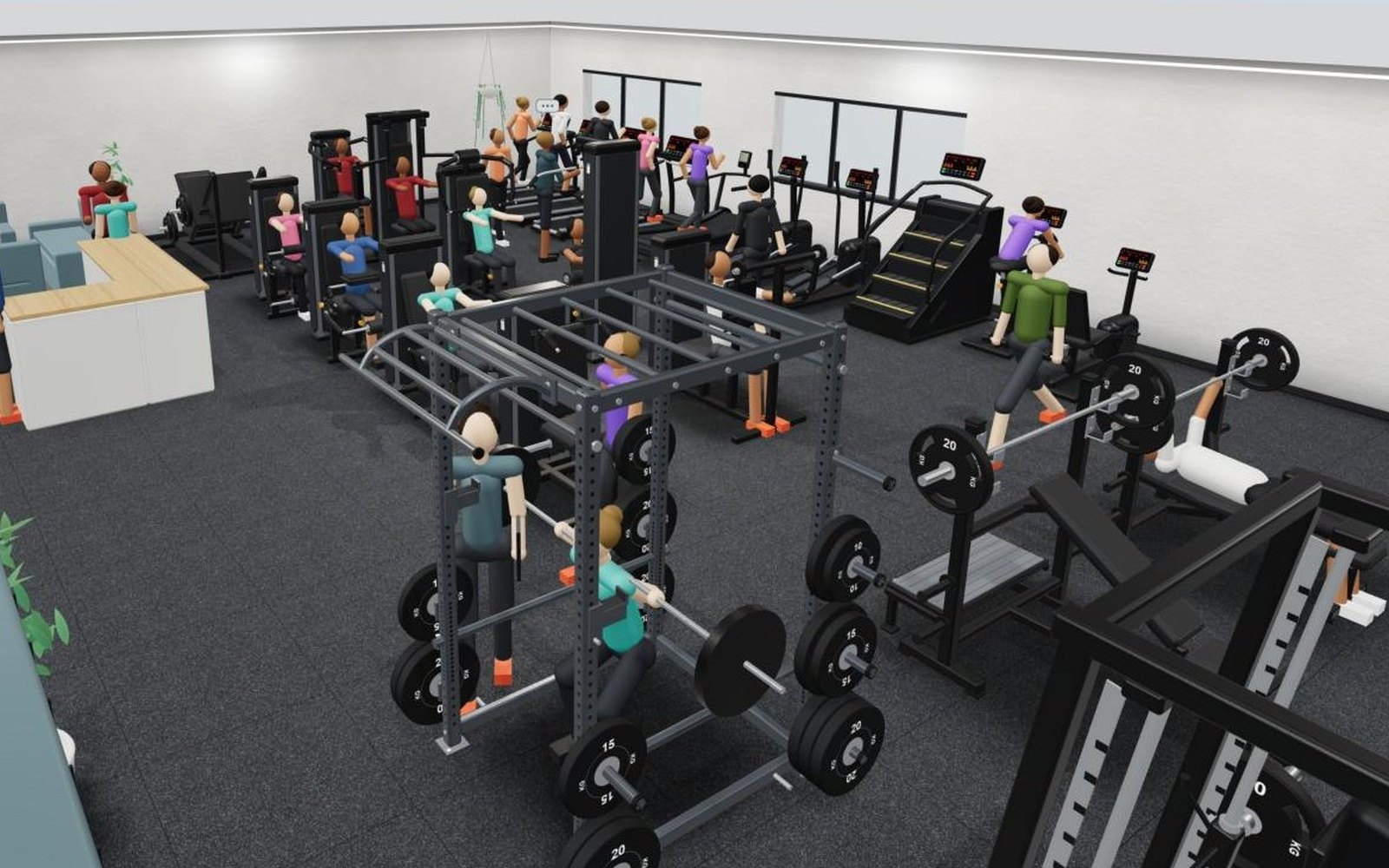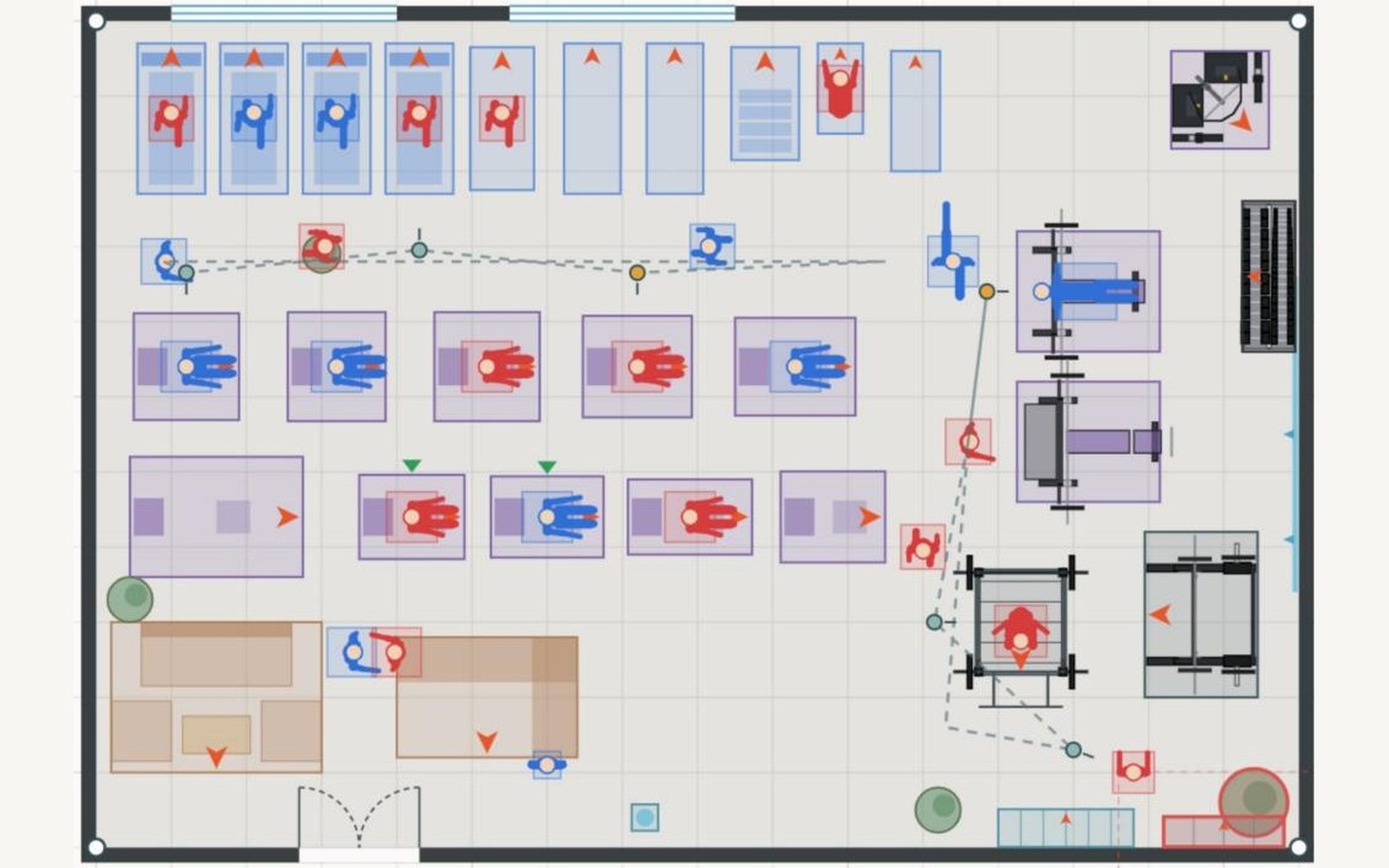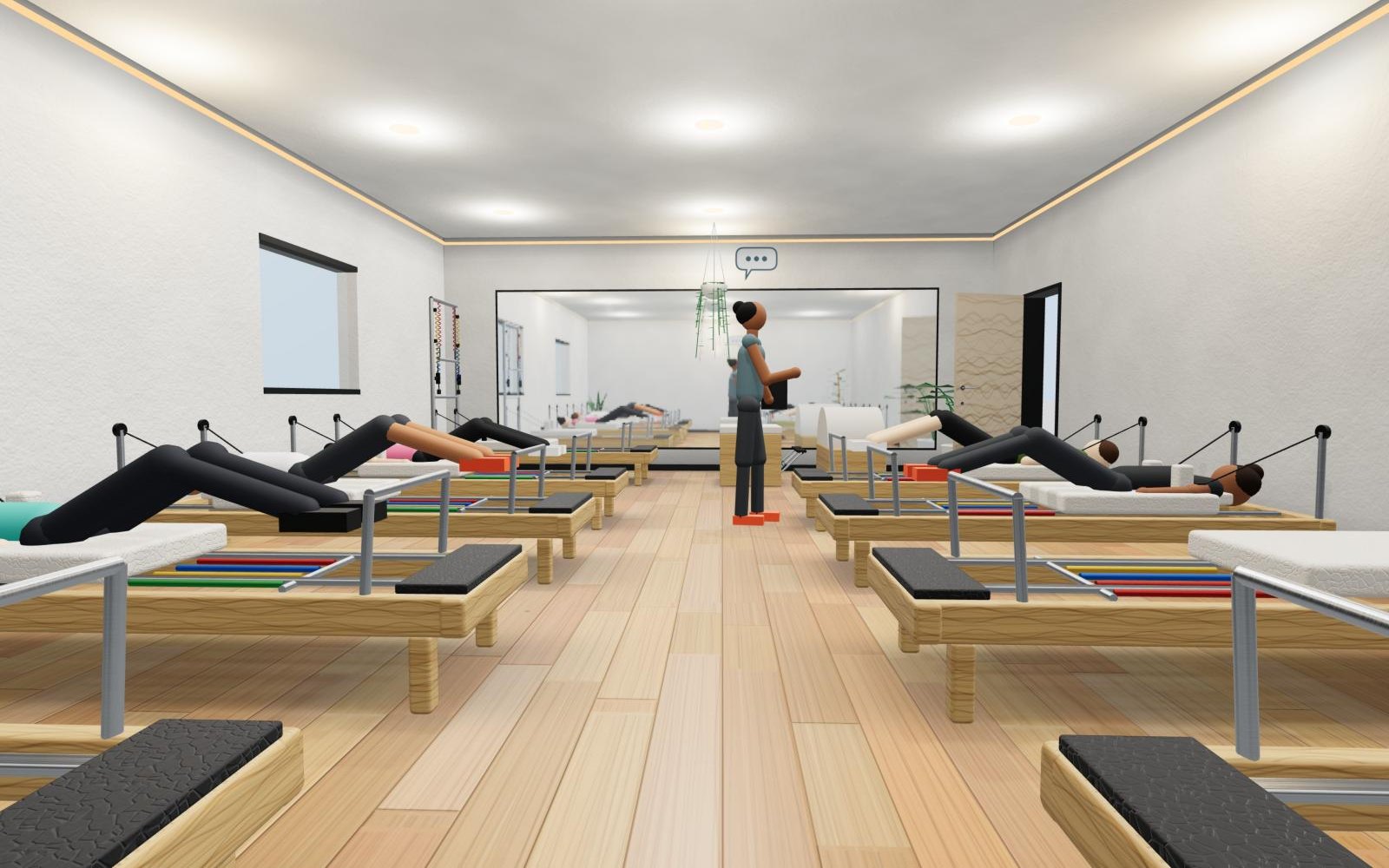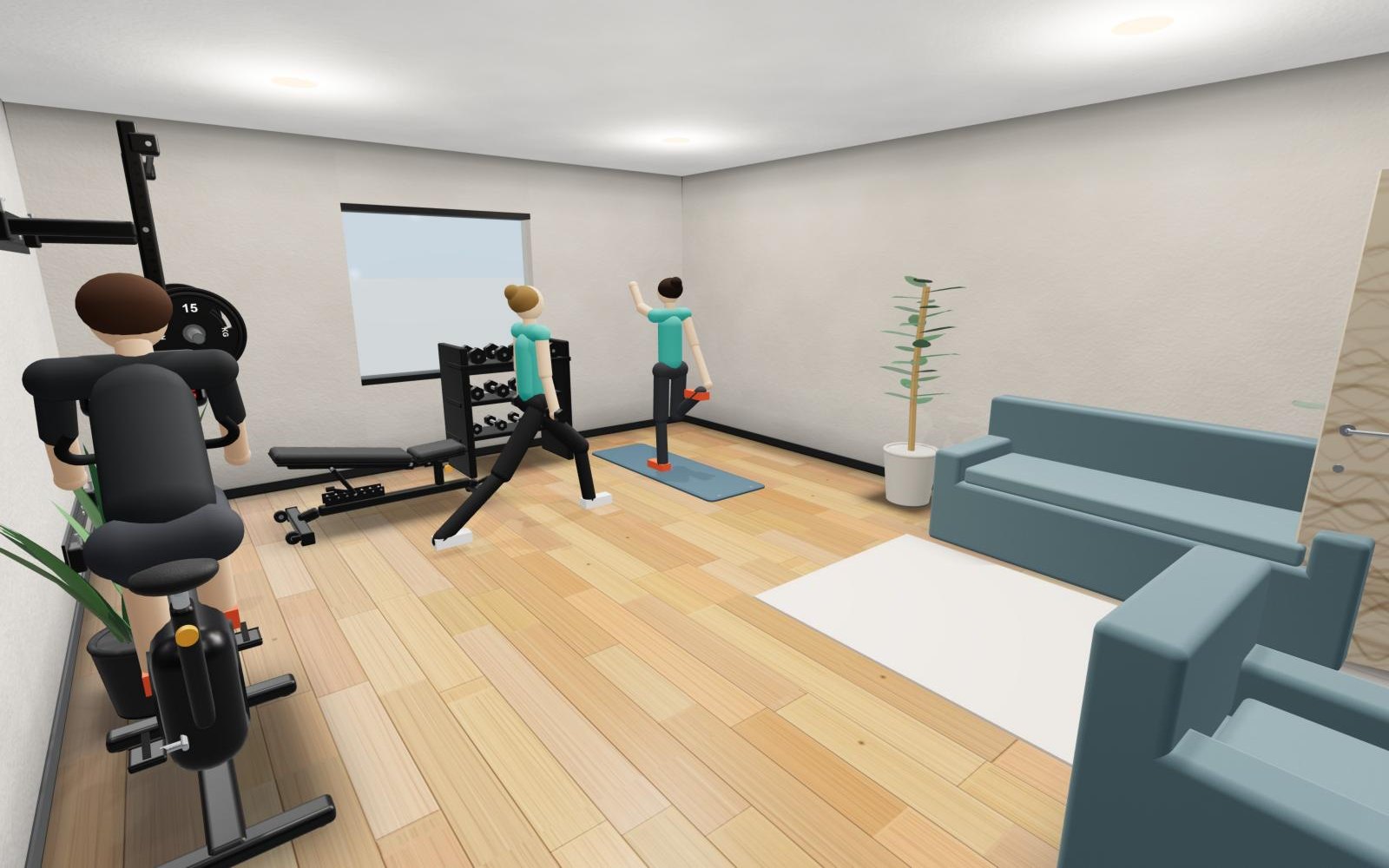
A home gym can be a spare bedroom, a converted garage or a corner of the living room. What makes it work is not how much you spend on equipment, it is how well you plan the space before you buy anything.
1. Space and ceiling height
- Around 20 m² (about 215 sq ft) lets you separate a strength area, a cardio area and an open floor area.
- A ceiling of 2.40 m (about 8 ft) or more makes pull ups, overhead presses and a power rack comfortable. With a lower ceiling, choose compact equipment.
- Smaller rooms of 10 to 15 m² can still work well with compact, multi-use equipment.
2. Choose multi-use equipment first
- An adjustable bench (bench press, shoulder press, core work).
- Adjustable dumbbells or a compact dumbbell set.
- A rack with a pull up bar, safety arms and the option to add cables.
- An Olympic bar and plates.
This gives you hundreds of exercises without filling the room. Before buying, lay out the equipment on a plan and check that each item has enough working space around it.
3. If the whole family trains
- Duplicate the cheap items: mats, bands, kettlebells.
- Choose two different cardio machines, for example a treadmill and a bike.
- Think in stations, so two people can train at the same time without waiting.
4. Flooring and noise
- 20 mm rubber flooring protects the floor and the equipment.
- For heavy lifting, use 30 to 40 mm tiles, especially in apartments.
5. Power, light and storage
- Treadmills usually need a dedicated power outlet. Check before you choose the spot.
- Good lighting and ventilation matter for comfort and safety.
- Plan storage from day one: wall hooks, racks for plates and dumbbells, a small cabinet.
Hygiene at home
- Wipe equipment after use.
- Ventilate every day, with a window, fan or air conditioning.
- Choose a floor that is easy to wash.
- Wash mats, straps and gloves every few weeks.
Common mistakes
- Buying many single-purpose machines instead of versatile basics.
- Ignoring ceiling height, stairs and door width. Some equipment simply does not fit through the door.
- Skipping flooring, acoustics and ventilation.
- Forgetting power outlets, lighting and storage.
- Choosing very cheap home-grade equipment that wears out fast.
See how it looks in your space.Fit your zone free